If you garden almost anywhere on the Willamette Valley floor, you garden on clay. It's sticky and cold in winter, it bakes hard in August, and it can make the simplest planting job feel like digging into pottery. The good news is that clay soils are naturally fertile and hold water well. With the right routine, they get better every year.
Why clay behaves the way it does
Clay is made of extremely fine particles that pack tightly together. That leaves very little space for air and lets water drain slowly. In newer subdivisions the problem is often made worse by construction traffic, which compacts the soil, and by thin layers of topsoil spread over subsoil.
What not to do
- Don't add sand. Mixing a little sand into clay can produce something closer to concrete. You would need enormous quantities to change the texture.
- Don't work wet soil. Squeeze a handful: if it forms a shiny ribbon, it's too wet to dig. Digging or walking on wet clay destroys its structure.
- Don't rototill every year. Repeated tilling breaks down soil structure and the fungal networks that help plants.
What does work
Feed the soil from the top
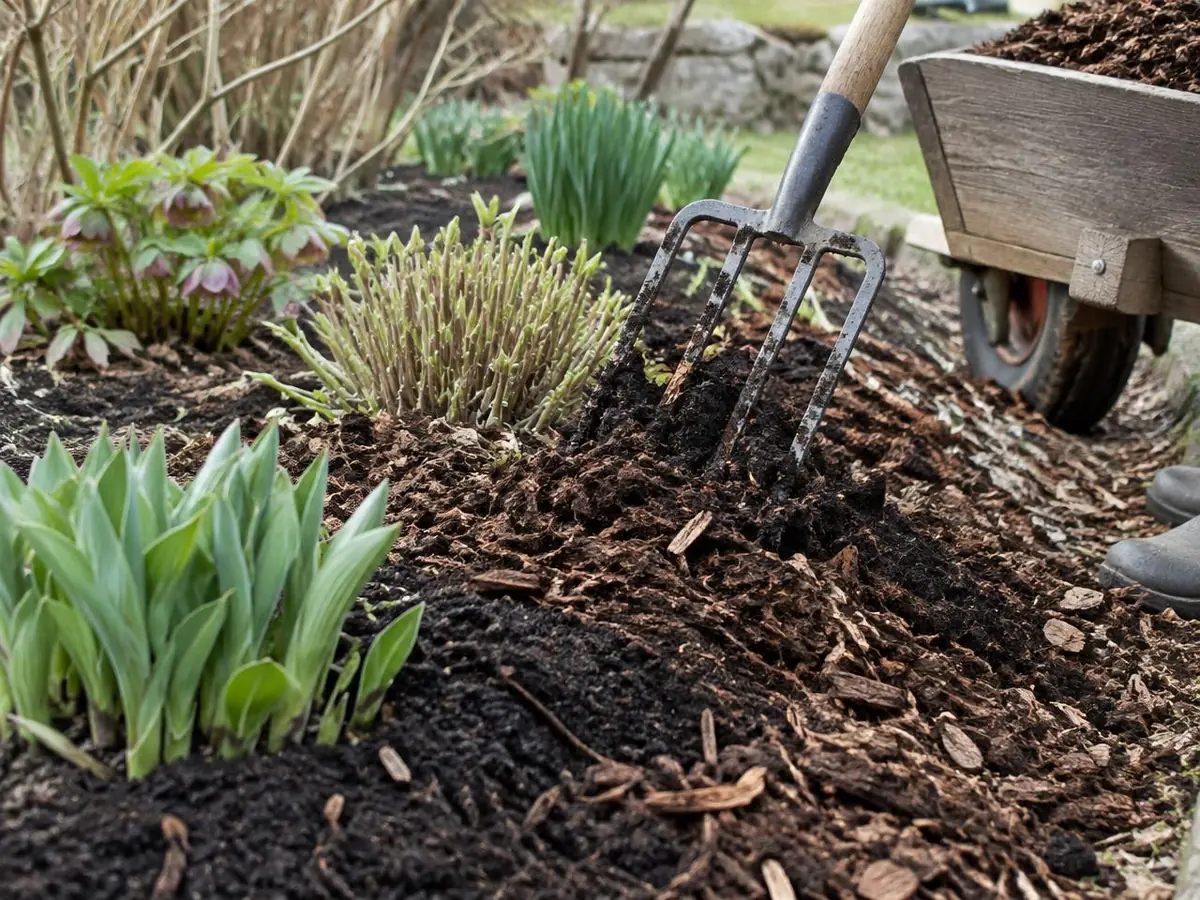
The single most effective thing you can do is add organic matter to the surface, every year. Spread 2–3 inches of compost, leaf mold or arborist wood chips over beds in autumn or early spring and let worms and soil life do the mixing for you.
Mulch, always
Mulch protects the surface from pounding winter rain, keeps soil cooler and moister in summer and slowly breaks down into organic matter. Keep it a few inches away from stems and trunks.
Leave the leaves
Fallen leaves in beds are free mulch. Chop them with a mower if they're large, like big-leaf maple, and let them stay over winter.
Raise the problem areas
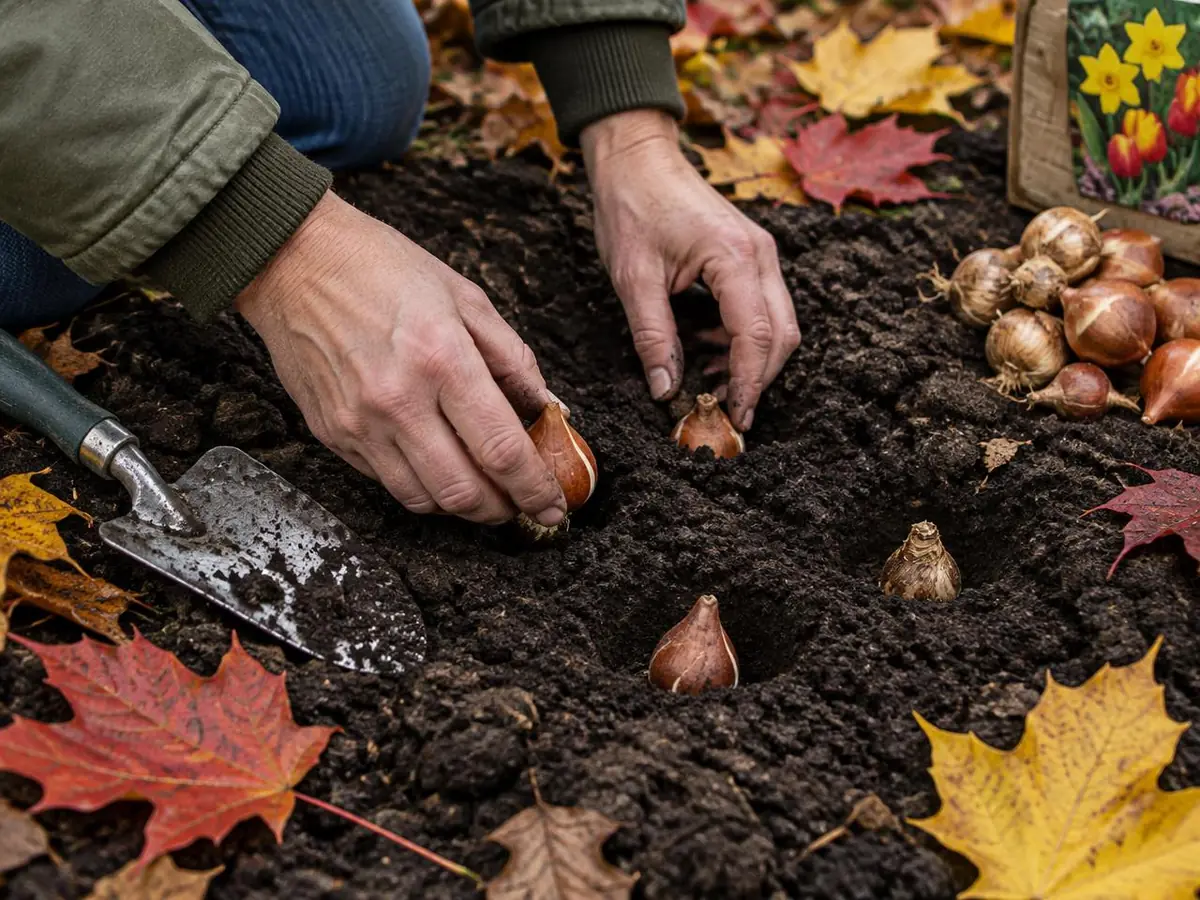
For plants that truly need good drainage — lavender, rosemary, many bulbs — build gentle berms or raised beds rather than trying to fix the whole garden.
Choose clay-tolerant plants
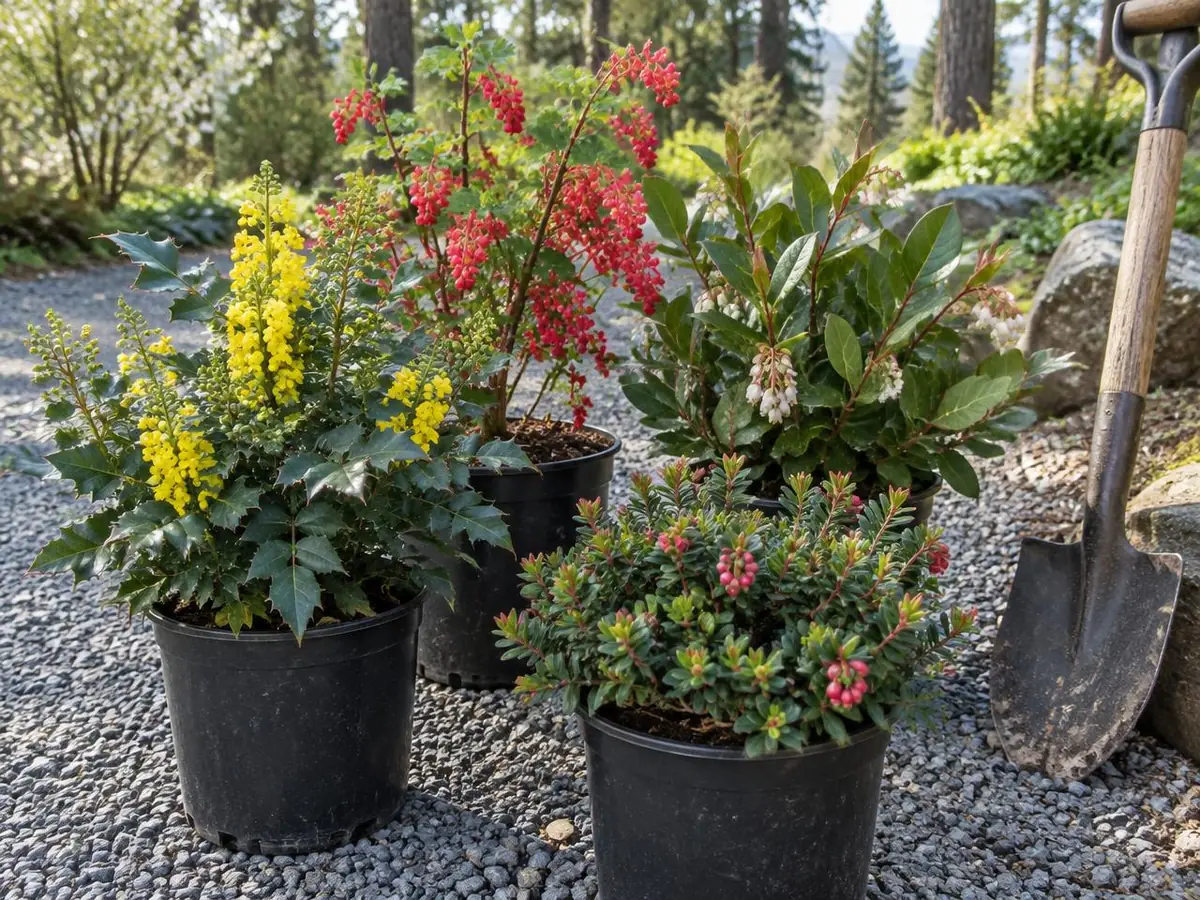
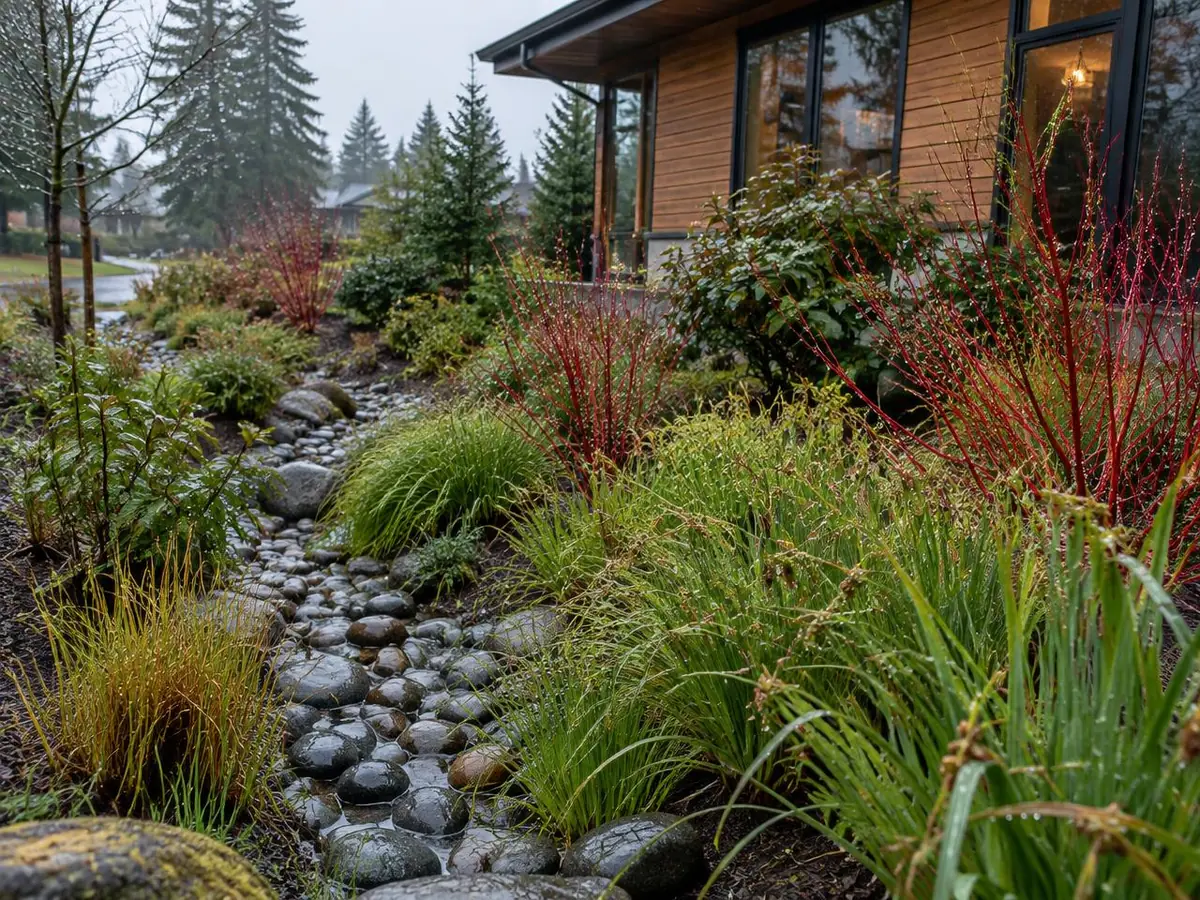
Plenty of excellent garden plants thrive in clay: asters, rudbeckia, echinacea, many grasses, red twig dogwood, ninebark, camas and most of our native shrubs.
How long does it take?
You'll notice a difference within one season: easier digging, fewer cracks and healthier plants. After two or three years of mulching and top-dressing, the top few inches of soil are usually darker, crumbly and full of worms.
Think of soil care as a slow, steady habit rather than a one-time fix.
This article offers general guidance for gardens in western Oregon. Every site is different; for advice on your own garden, get in touch.