Native shrubs are the backbone of a wildlife-friendly garden in western Oregon. Once established, most cope with our dry summers on little or no extra water, and they offer flowers, berries and shelter that local birds and insects have relied on for thousands of years. Here are ten we use again and again in home gardens around Newberg.
Our ten favorites
1. Red flowering currant (Ribes sanguineum)
One of the first shrubs to bloom, with hanging pink flower clusters in March that bring in the first hummingbirds of the year. Sun to part shade, 6–8 feet tall, drought-tolerant once settled.
2. Tall Oregon grape (Berberis aquifolium)
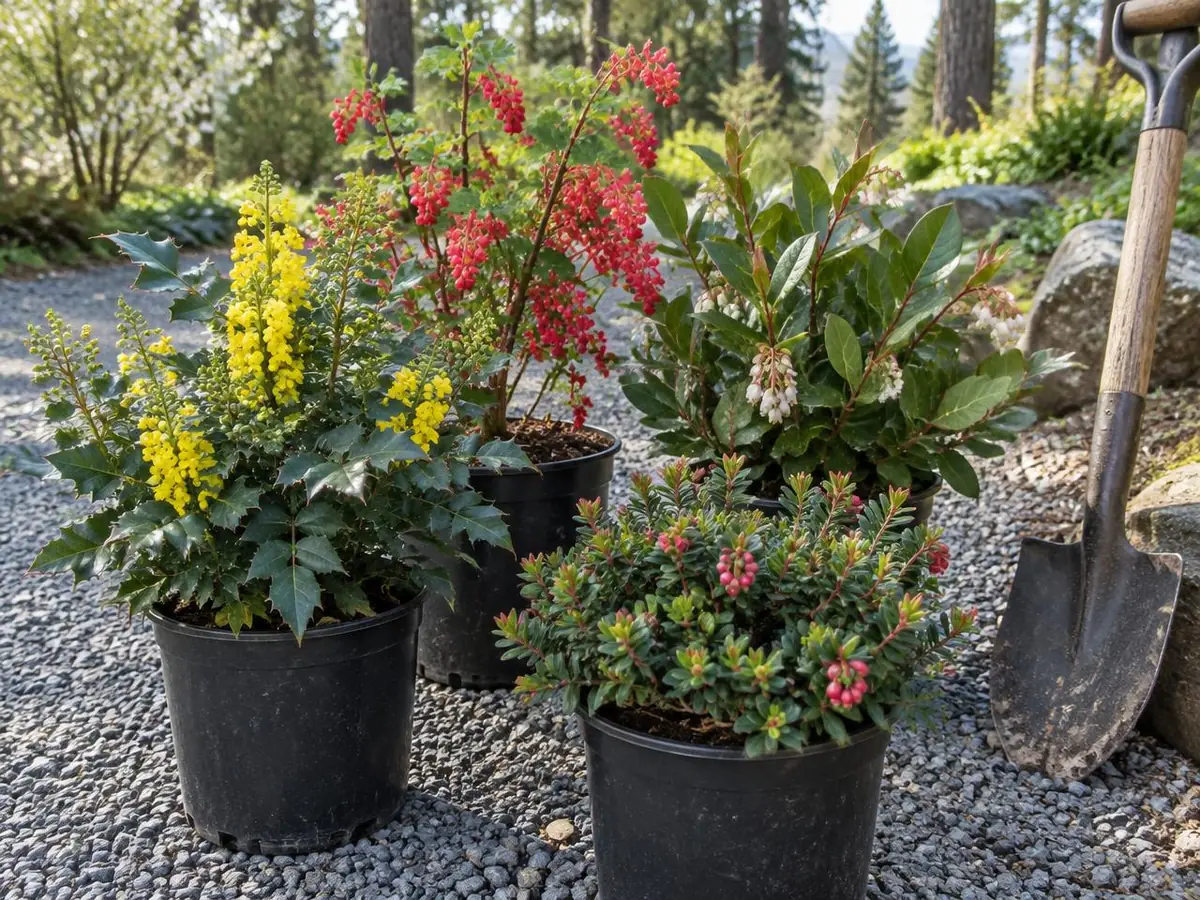
Oregon's state flower. Glossy evergreen leaves, bright yellow flowers in early spring and blue berries in summer. Tough, adaptable and good for informal hedges.
3. Low Oregon grape (Berberis nervosa)
A knee-high evergreen for dry shade under conifers, where little else will grow. Spreads slowly into an attractive groundcover.
4. Salal (Gaultheria shallon)
Leathery evergreen leaves, pink-white bell flowers and dark berries. Best in shade with some moisture; can be slow to start but becomes a dense, reliable groundcover.
5. Evergreen huckleberry (Vaccinium ovatum)
Fine-textured, glossy foliage with new growth in bronze and red. Edible berries in late summer. Slow-growing, ideal near patios and in woodland edges.
6. Pacific ninebark (Physocarpus capitatus)
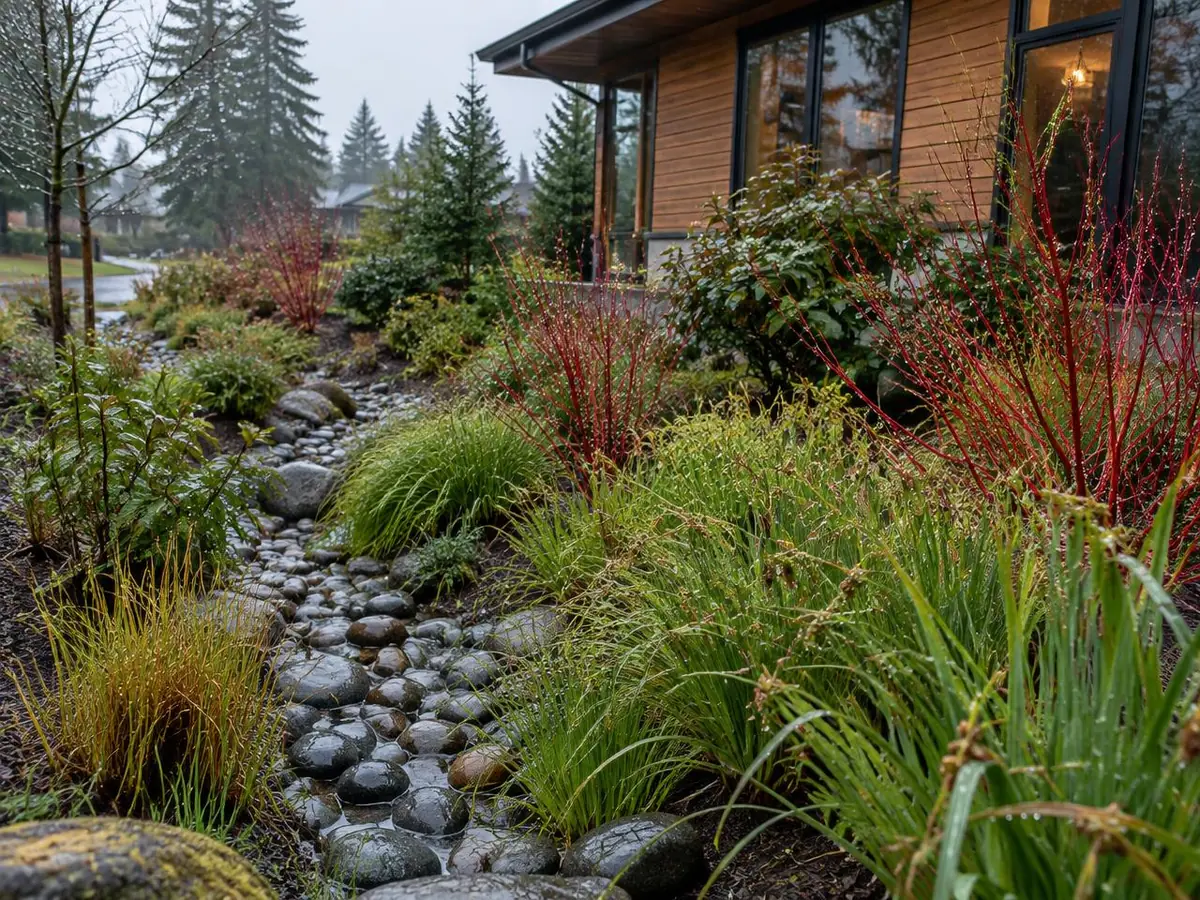
A vigorous shrub for moist soils and rain garden slopes, with white flower clusters in late spring and peeling bark in winter.
7. Mock orange (Philadelphus lewisii)
Sweetly scented white flowers in early summer. Handles dry, sunny spots and makes a beautiful informal screen.
8. Oceanspray (Holodiscus discolor)
Arching branches covered in creamy flower plumes in June, then tan seedheads that persist into winter. Very drought-tolerant and loved by pollinators.
9. Common snowberry (Symphoricarpos albus)
Almost indestructible. Small pink flowers feed bees; white berries hang on well into winter. Useful for slopes and difficult spots.
10. Kinnikinnick (Arctostaphylos uva-ursi)
A low, trailing evergreen for sunny, well-drained banks and gravel gardens, with tiny pink flowers and red berries.
How to plant natives for success
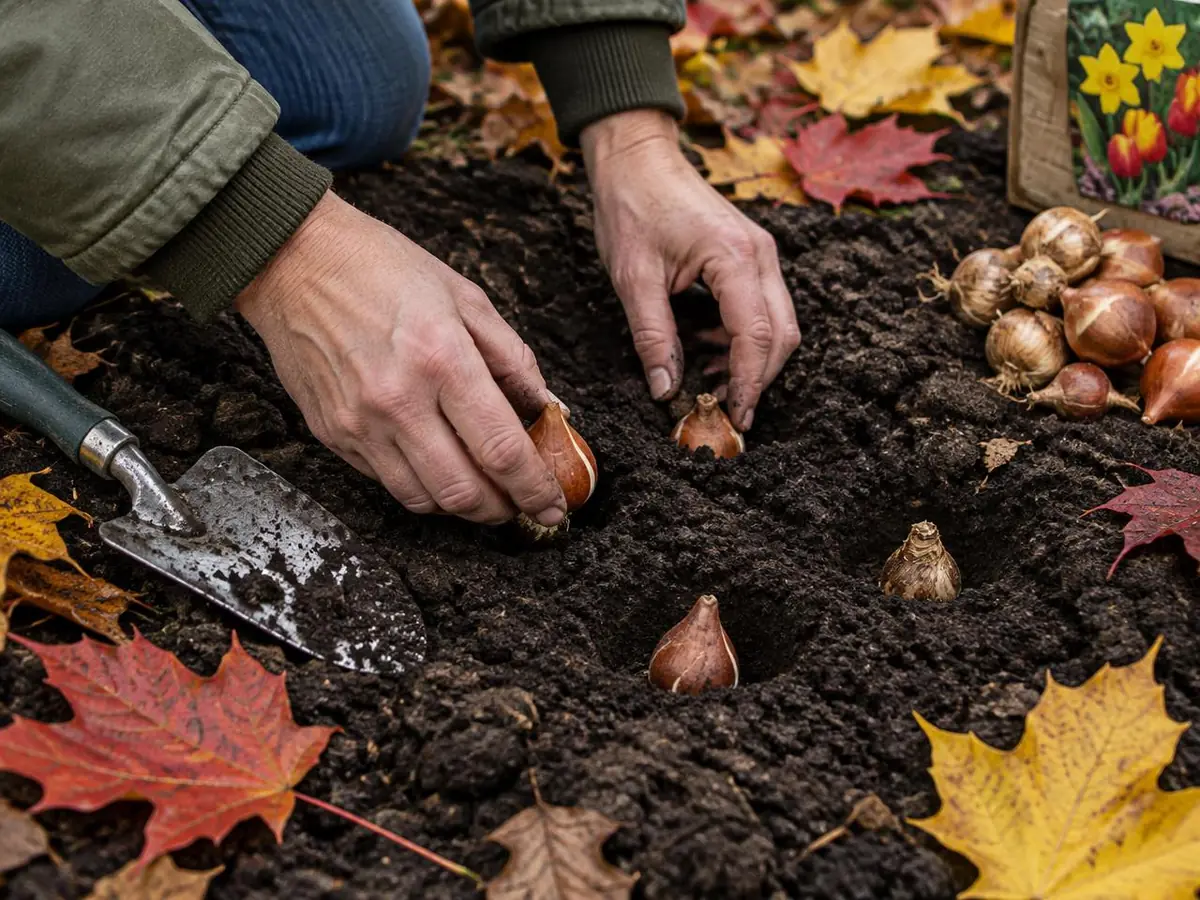
- Plant in autumn. October to November gives roots the whole wet season to grow before their first summer.
- Water the first two summers. "Drought-tolerant" means once established. A deep soak every week or two through the first two dry seasons makes a big difference.
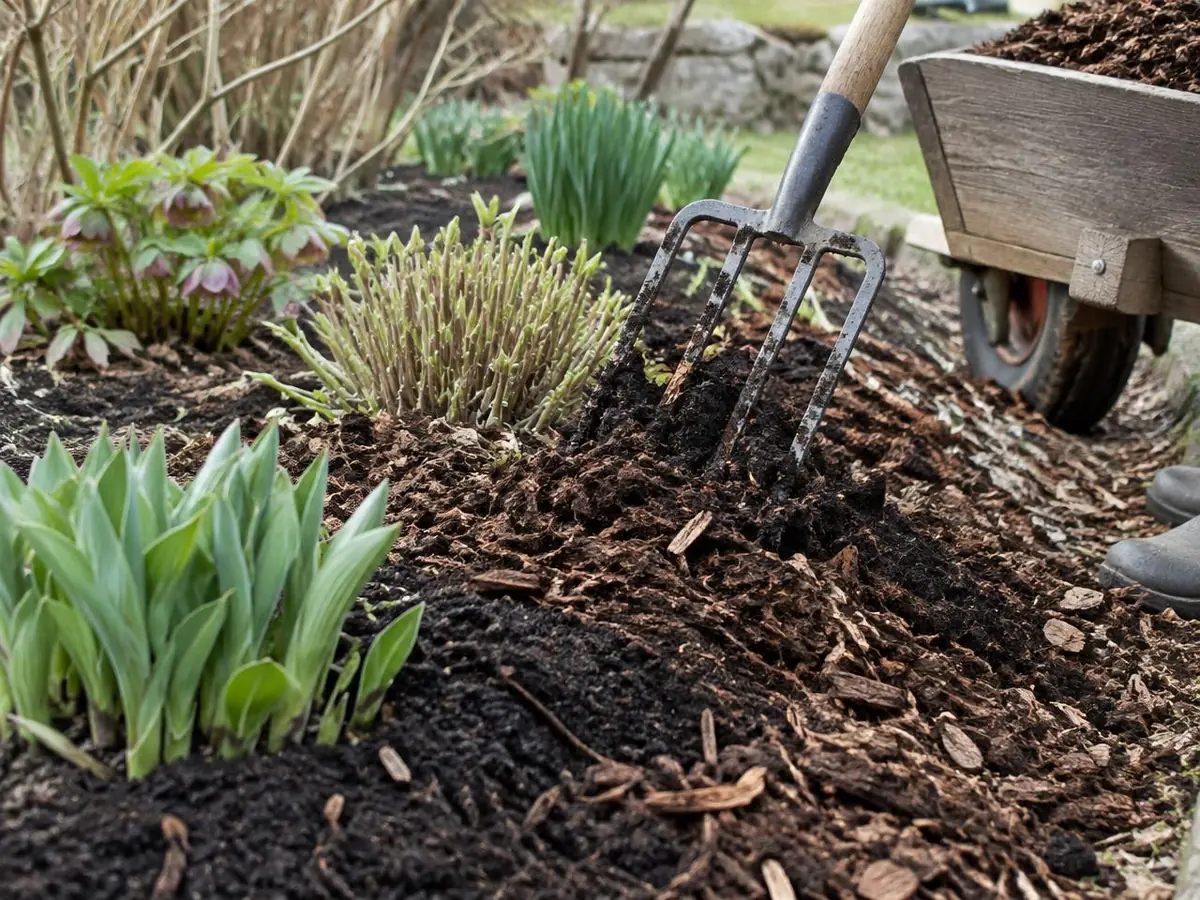
- Skip the rich amendments. Most natives prefer ordinary soil. A mulch of wood chips on top is better than digging lots of compost in.
- Group by water need. Keep moisture-lovers like ninebark away from dry-garden plants like kinnikinnick.
The best native gardens don't look "wild" — they look intentional, with plants repeated in groups and clear edges around them.
Where to buy
Local native plant nurseries and the spring and autumn native plant sales held by conservation districts around the region are the best sources. Ask for plants grown from regional seed where possible.
This article offers general guidance for gardens in western Oregon. Every site is different; for advice on your own garden, get in touch.