Few garden jobs give back as much as planting bulbs in autumn. An hour on a cool October afternoon turns into weeks of color between February and May — just when the valley is grey and the garden needs it most. But bulbs can be fussy about one thing in particular, and in Yamhill County that thing is usually water.
When to plant
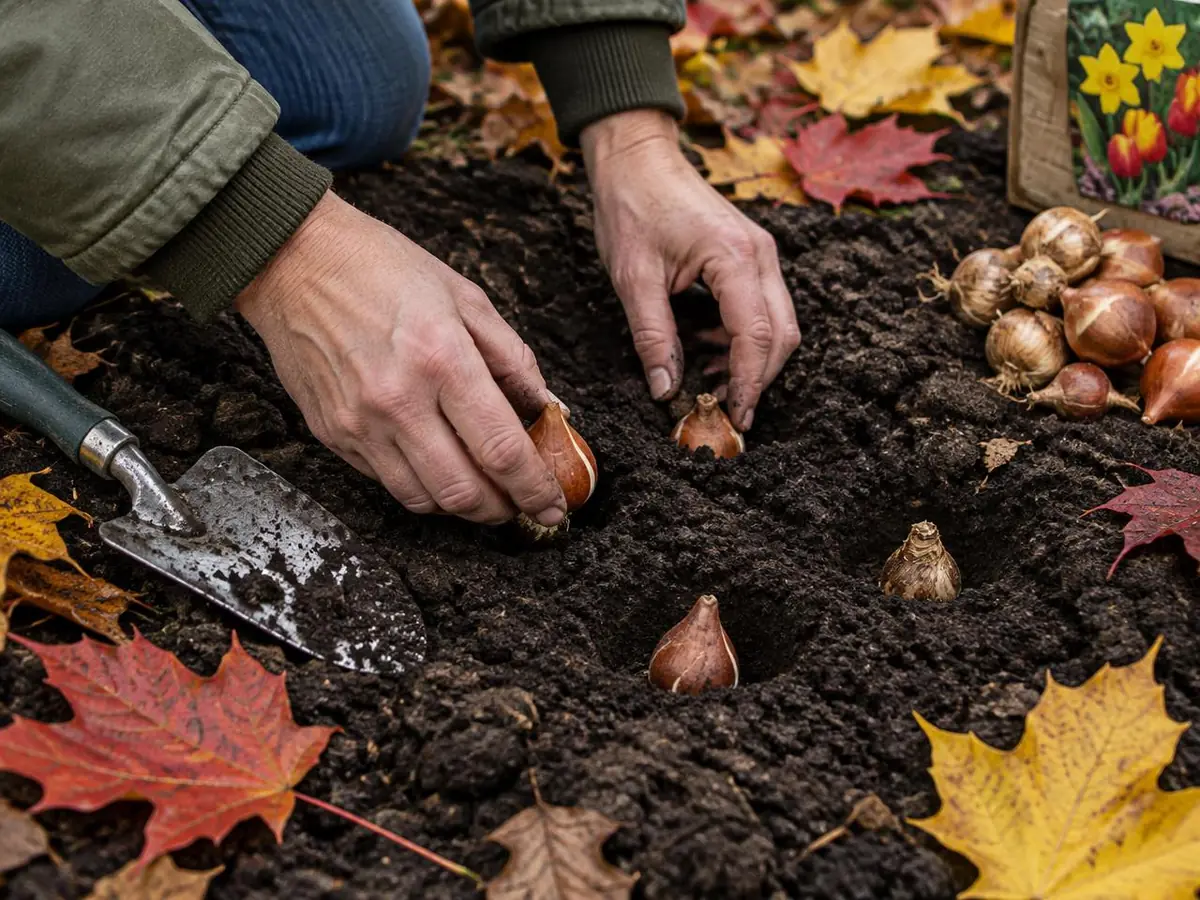
In the Willamette Valley the best window for most spring bulbs is early October to mid-November, once soil temperatures drop below about 60°F. Planting in warm September soil can encourage early leaf growth or rot; planting very late is still better than not planting at all — we've had good results with daffodils planted in early December.
Tulips are the exception that likes to go in a little later, from late October onward, which also reduces the risk of fungal problems.
How deep — and what clay changes
The general rule is to plant bulbs two to three times as deep as the bulb is tall, pointed end up. A 2-inch daffodil bulb goes about 5–6 inches down.
On heavy clay we tend to plant toward the shallower end of that range and pay much more attention to drainage. Bulbs sitting in a pocket of cold, waterlogged soil all winter are the number one reason they fail to reappear.
- Avoid low spots where puddles linger after rain.
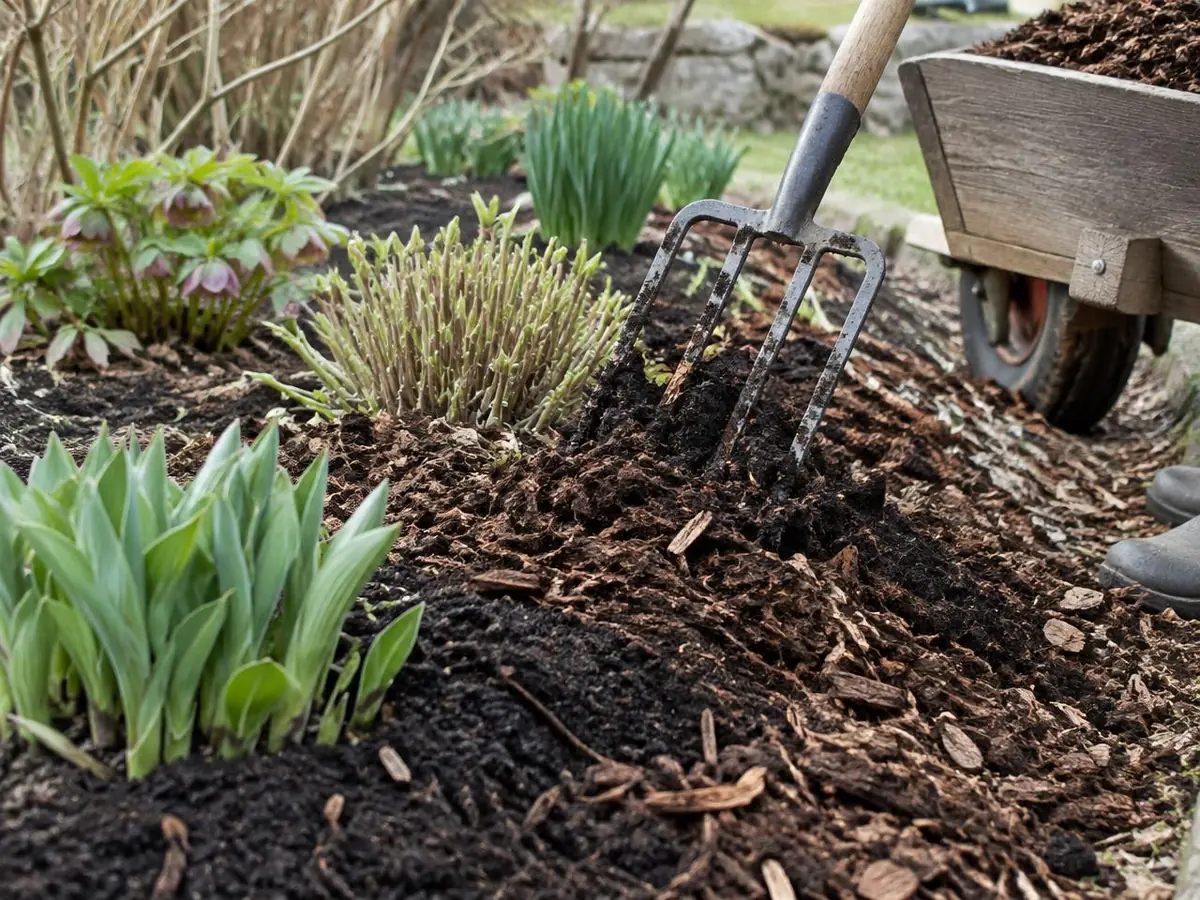
- Loosen the soil over a wider area rather than digging individual holes, which act like little sumps in clay.
- Mix in some compost, and on very heavy ground a handful of fine grit beneath each group of bulbs.
- Consider raised beds, slopes or large containers for tulips and other bulbs that hate wet feet.
Bulbs that come back reliably here
Many bulbs sold in garden centers are bred for one spectacular season. These are the ones we find return year after year in valley gardens:
- Daffodils (Narcissus) — the workhorse. Deer and rodents leave them alone, and clumps get bigger every year. Smaller varieties like 'Thalia', 'Jetfire' and 'Tête-à-Tête' are especially good.
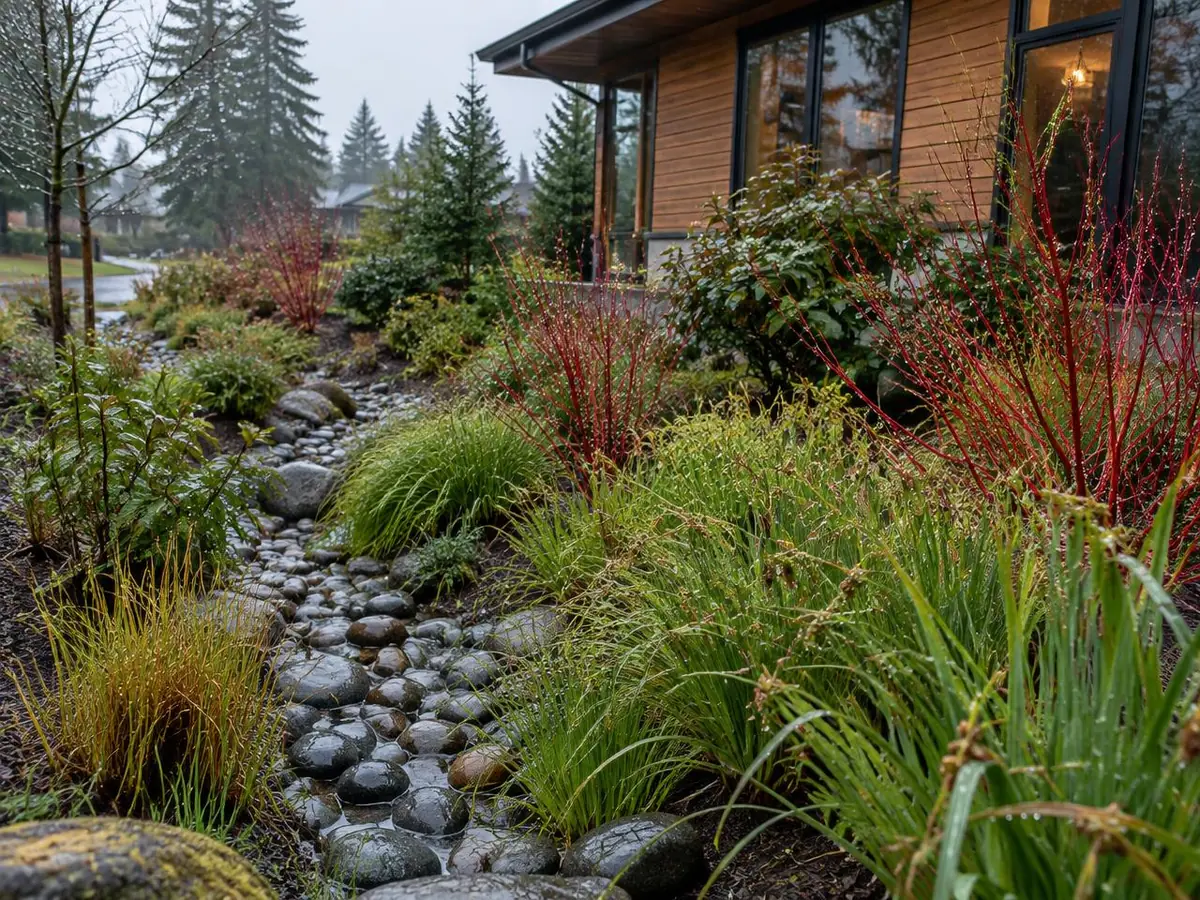
- Camas (Camassia quamash and C. leichtlinii) — our native blue lily, and one of the few bulbs that actually tolerates damp soil. Superb in meadows and rain gardens.
- Snake's head fritillary (Fritillaria meleagris) — another bulb happy in moist ground, with checkered nodding bells.
- Alliums — ornamental onions such as 'Purple Sensation' and Allium sphaerocephalon bridge late spring and early summer, and pollinators love them.
- Species tulips — Tulipa sylvestris, T. clusiana and T. tarda are smaller and far more perennial than the big hybrids, given a sunny, well-drained spot.
- Crocus and snowdrops — early food for bees on mild February days.
If you garden with deer, plant daffodils, alliums and camas generously and enjoy tulips in pots near the house.
Planting for impact
Bulbs look best in generous, irregular drifts rather than single rows. As a guide, plant small bulbs in groups of at least 15–25 and larger bulbs in groups of 7–11. Toss a handful onto the bed and plant them where they land for a natural look.
Bulbs are also ideal for filling gaps between perennials and deciduous shrubs, which are still dormant when the bulbs flower and then grow up to hide the fading foliage.
Aftercare
After flowering, let the foliage die back naturally for at least six weeks. The leaves are feeding next year's flower. Don't tie or braid them; simply plant something in front to hide them. Remove spent flower heads on tulips and daffodils if you can, so the plant doesn't put energy into seed.
A light top-dressing of compost in autumn is usually all the feeding they need.
This article offers general guidance for gardens in western Oregon. Every site is different; for advice on your own garden, get in touch.